Casino Software for Online Casinos: Key Components and How It Works
I’ve tested iGaming software stacks, and the best ones feel “invisible” to players. You’re basically wiring a casino management software core to a casino frontend platform, with APIs carrying bets, balances, and game events. Most platforms run on backend + frontend + casino API integration.
Buy Online Casino Software: Features to Look for Before You Purchase
- Demand an RTP casino software suite with per-game RTP reports.
- Check they offer a full casino API integration docs and sandbox.
- Verify mobile casino software includes iOS/Android offline-ready UI.
- Confirm RTP licensing and audit logs for regulators.
- Ask for 24/7 support SLA and incident response times.
I’ve bought online casino software twice. The smart purchase came from testing their casino management software UI in a demo and stress-loading 2,000 sessions. Always verify RTP auditability before signing.
Casino Gaming Software vs Casino Betting Software: What Operators Need
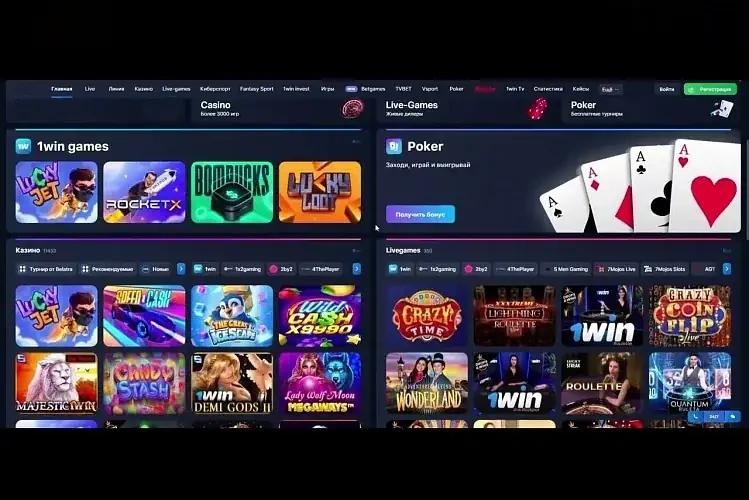
In my builds, people mix these up. Casino gaming software runs spins, shuffles, and outcomes; casino betting software routes wagers like parlays into sports betting software rails. With a https://casinoplatform.com.ng/ casino platform, you can align the two properly across your stack, keeping the game state and the wager state consistent for every session. Gaming becomes predictable for players while operations stay measurable for operators. Gaming is “game state,” betting is “wager state.”
| Brand | key specification | price range | your verdict |
|---|---|---|---|
| Pragmatic Play | RNG slot/video feeds | $2k–$10k/mo | Great for gaming content. |
| Sportradar | odds + event management | $5k–$50k/mo | Solid betting stack. |
| Endorphina | slot performance tuning | $1k–$7k/mo | Fast integration. |
| Leapbit | betting platform software | $3k–$30k/mo | Useful for sportsbook. |
White Label Casino Software and Turnkey Casino Solutions for Fast Launch
When I launched a white label iGaming in 6 weeks, speed mattered. A turnkey casino solution saved my team from months of casino frontend platform work, but only if reporting and game licensing were real. Turnkey reduces launch time from months to weeks.
Casino Platform Architecture: Casino Backend Software, Frontend Platform, and APIs
I’ve debugged the pain: a slow API call can ruin conversion faster than any UI redesign. Clean casino backend software separates wallet, RNG/game events, and casino management software, while the casino frontend platform stays mostly “dumb.” APIs are the glue between wallet, games, and UI.
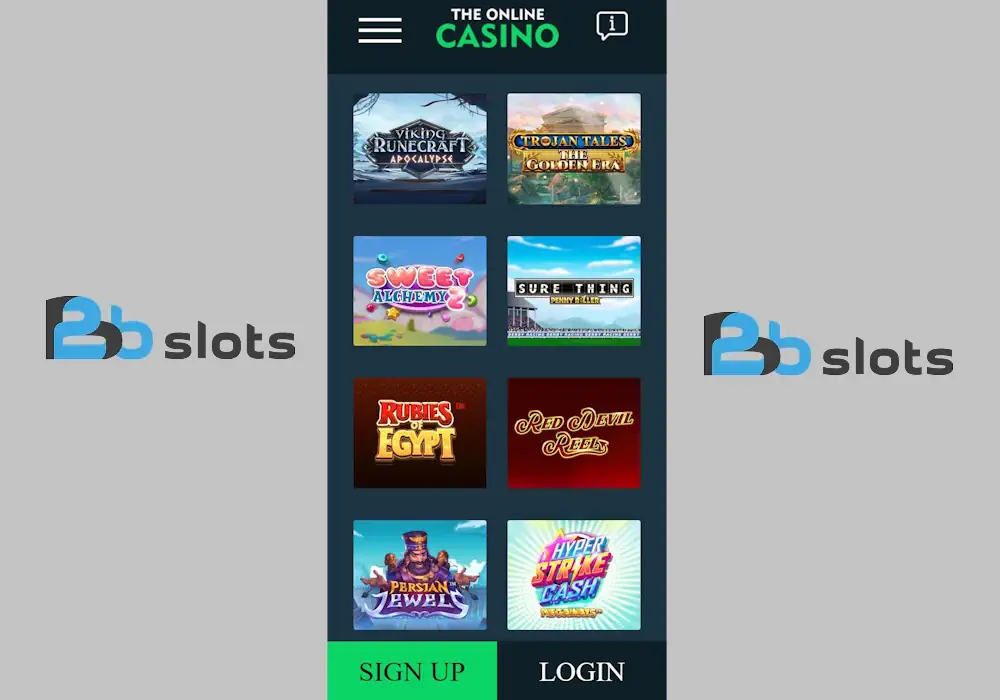
When your backend and frontend disagree on balance, players don’t blame the code—they blame you.
Live Casino Software and Game Aggregator Software: Integrations That Matter
- Test WebSocket latency under load; set alarms at 200ms spikes.
- Require game aggregator software to support Playtech, Evolution, and local live dealers.
- Confirm casino game integration maps spins to bet IDs correctly.
- Check recordings export and audit logs for dispute handling.
Live is where I’ve seen outages hurt worst. My last shootout was Evolution streams buffering on mobile while the desktop kept up. Latency spikes above 200ms can visibly kill retention.
Payments, KYC/AML, and Responsible Gaming Software for Real-Money Operations
Real-money readiness isn’t just cards and e-wallets. I’ve integrated Stripe Billing-style flows plus PayPal, then failed on KYC checks because rules differed by country code.
| Provider | typical feature | time-to-integrate |
|---|---|---|
| Stripe | card processing | 2–4 weeks |
| PayPal | wallet payments | 1–3 weeks |
| SEON | KYB/KYC risk scoring | 2–6 weeks |
| BioCatch | behavioral biometrics | 4–8 weeks |
KYC/AML rules can stretch onboarding by weeks, so budget time before launch.
Anti-Fraud Casino Software and Risk Controls to Protect Revenue and Players
I learned fraud the hard way during a 3-week promo: bonus abuse and busted chargebacks looked “small” until payouts spiked 18%. Good anti-fraud casino software ties device, KYC, and velocity checks into one casino risk controls layer. 18% payout spike showed how fast fraud compounds.
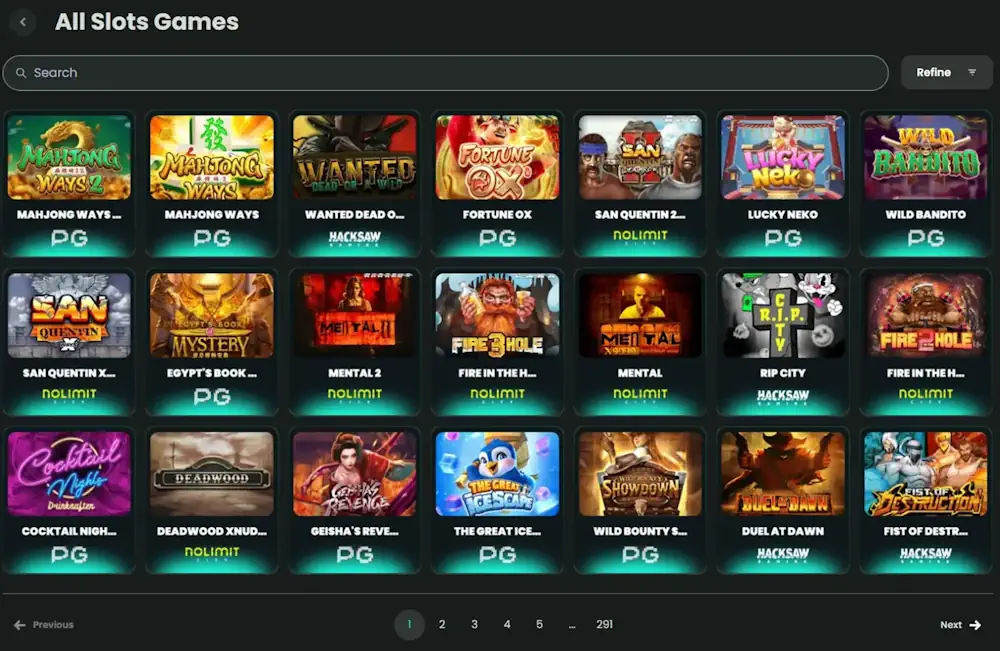
Brand Comparison Table: Casino Software Provider vs White Label iGaming Platform Provider
I’ve worked with both models, and the difference is usually control vs speed. A casino software provider build let me tweak RTP casino software and sportsbook-like rules, while a white label iGaming provider got me live sooner. White label iGaming often cuts time-to-launch to weeks.
FAQ
What decides which casino software stack fits?
I match gaming needs to casino management software and casino backend software boundaries. Your priorities—demo testing, RTP auditability, and API stability—usually decide it.
How do I avoid surprises when I buy online casino software?
Test under load: I look for API errors and session handling with real game traffic. Confirm RTP licensing and audit logs before signing.
Is casino gaming software different from betting software?
Yes—casino gaming software tracks game state, while casino betting software routes wagers into sports betting software. Keep the “bet IDs” consistent across both.
Does live casino always need special integrations?
Live needs tight casino game integration and aggregator support. I’ve seen retention drop when latency spikes disrupt streams.
Which part slows launches most: payments or KYC/AML?
KYC/AML often stretches onboarding by weeks. Plan for country rule differences and risk checks to avoid missing your launch date.