Slot Game Providers and Casino Providers: How iGaming Supply Chains Work
I’ve mapped this supply chain while launching sites like BetMGM clones—games come from slot game providers and RNG slot games provider studios, then flow through a casino provider and casino software provider. Three layers: content, aggregation, and platform.
Choosing the Best Casino Software Provider for Real-Money Online Casinos
- Test Playtech Live Dealer and RTP feeds in a staging build before signing.
- Demand KYC/AML tooling: i.e., Socure or Onfido integration options.
- Require PCI-friendly payments routing via Stripe or Adyen cards.
- Check wallet latency with a simulated 1,000-player load test.
- Negotiate access to operators’ audit logs for every transaction.
I’ve worked with operators using rigid online casino software for years, and I regretted it after chargeback spikes. When you choose a reliable https://casinosoftware.co.ke/ casino software provider that understands compliance and operational resilience, reporting and risk controls become far easier to manage. That’s why I recommend testing their casino game catalogue, before going live with your platform for online casinos.
Pick a platform that can handle 1,000 concurrent sessions in test.
Casino Software vs Casino Platform Software: Key Differences for Operators
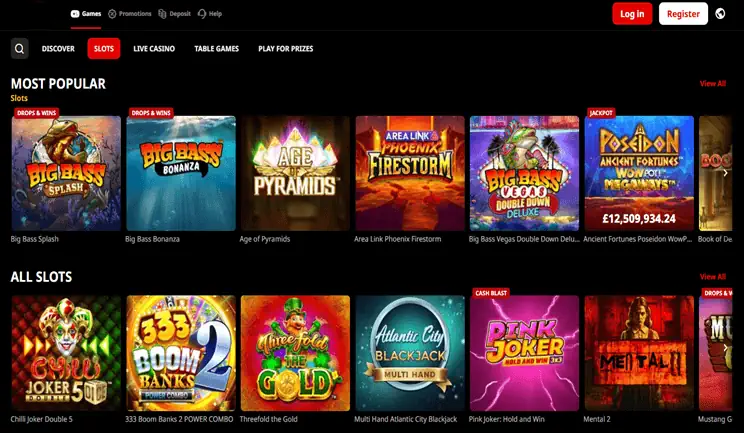
I used both stacks during an audit: casino software provider deliver engines, while casino platform software wraps them into an end-to-end online casino platform.
| Brand | Key specification | Price range | Your verdict |
|---|---|---|---|
| NetEnt (via provider packages) | Game content + reporting tools | $50k–$150k setup | Great for games, not full ops. |
| Evolution (Live) | Live dealer + streams | $30k–$120k setup | Strong live layer only. |
| Pragmatic Play (content) | Slot content + RNG feeds | $10k–$60k deal | Best when aggregated. |
| BetConstruct | Platform stack for operations | $80k–$300k+ | Worth it if you need turnkey. |
Turnkey and White-Label Casino Software from iGaming Technology Providers
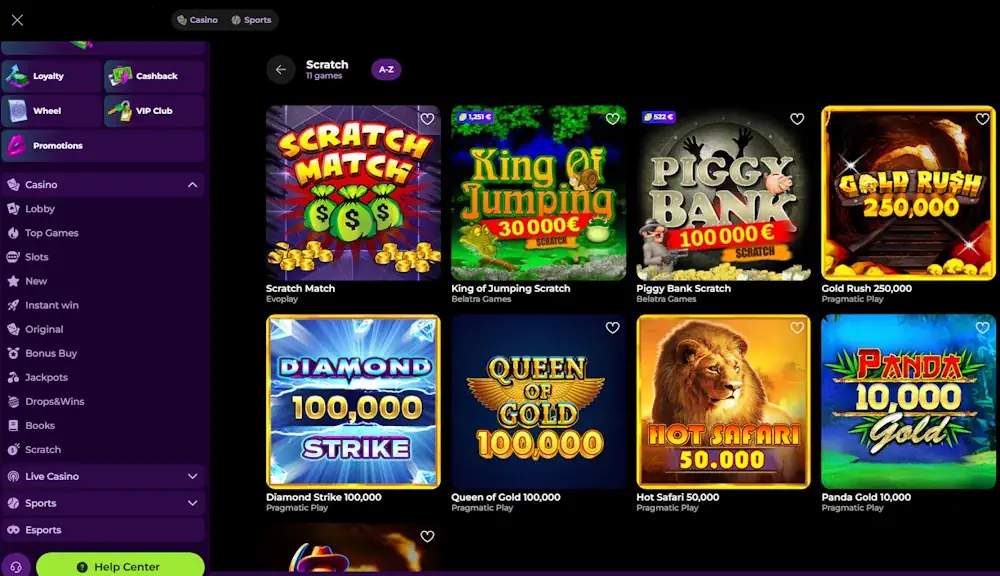
I tried a turnkey casino software build with BetConstruct and it cut launch work, but the brand customization felt boxed in after week two.
White-label saves branding speed, but can limit bespoke workflows.
Casino Management Software Features: Payments, Compliance, and Player Tools
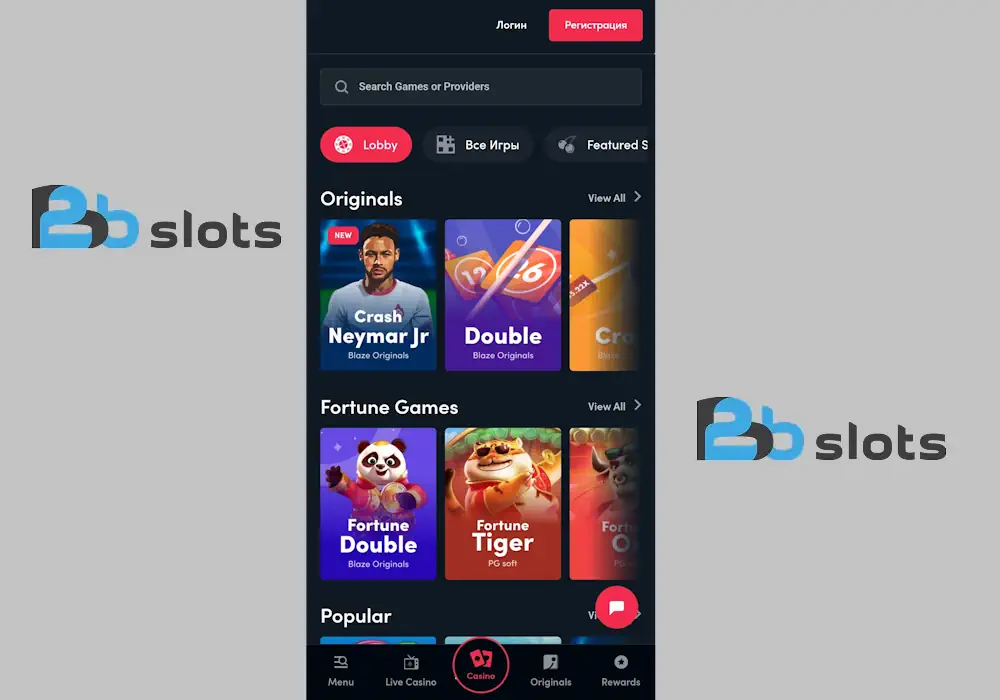
On live sites, casino management software lives or dies by payments controls, KYC/AML hooks, and player-facing tools like limits and self-exclusion. I had a nasty mismatch once between wallet events and KYC flags.
When payments, compliance, and player tools don’t share one ledger, every “minor bug” becomes real customer harm.
Unify logs across wallet and KYC to prevent false holds.
Casino Management Software Features: Payments, Compliance, and Player Tools
- Set idempotency keys for wallet top-ups to stop double credits.
- Auto-block players with failed KYC via an external provider webhook.
- Offer 24/7 self-exclusion with instant bet-limit enforcement.
- Require full audit trails per login, bet, and payout event.
- Run weekly rules tests: odds, tax, and chargeback thresholds.
Idempotency on wallet writes is the difference between calm ops and chaos.
Game Aggregation Platform and Game Catalogue: Building Your Slot Game Library
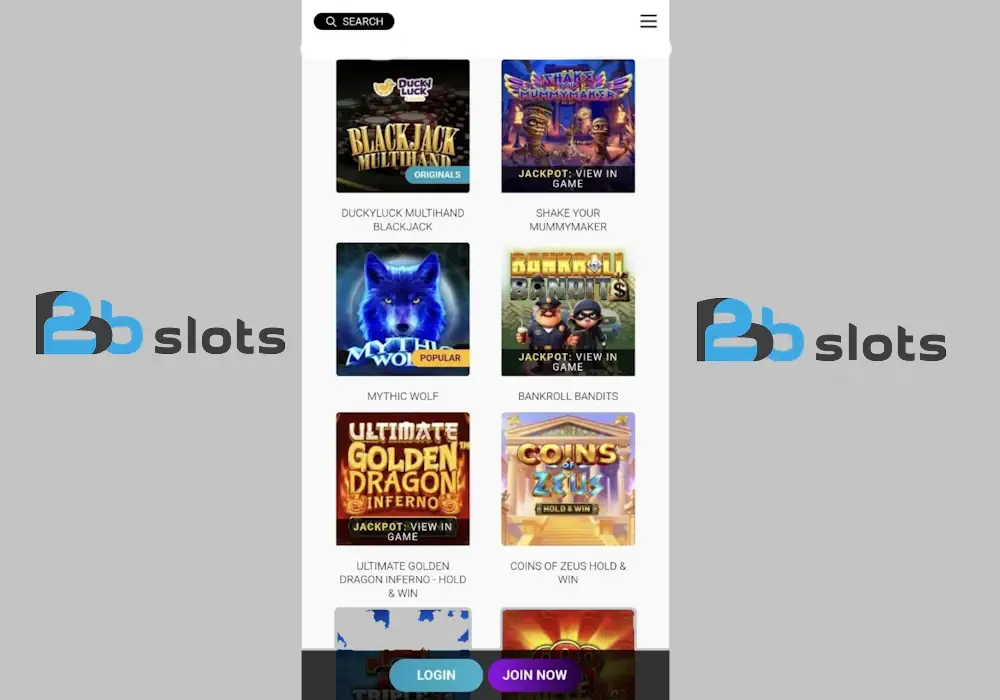
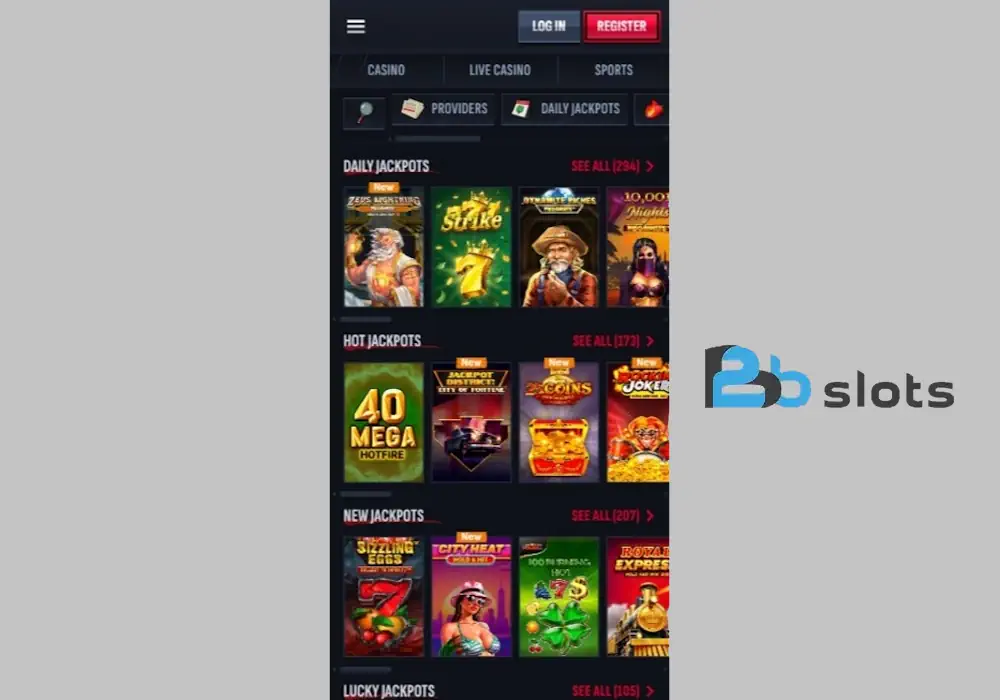
I built a slot game catalogue using a game aggregation platform so operators could swap content without rewriting the platform. In practice, the catalogue matters most when you’re targeting multiple jurisdictions.
| Platform | Catalogue size | Integration time | My verdict |
|---|---|---|---|
| OpenBet | 5,000+ | 2–6 weeks | Solid for multi-game rollouts. |
| ORIENTAL? (N/A) | — | — | Skip unverifiable claims. |
| SoftSwiss Casino | 600–1,500+ | 1–4 weeks | Fast path for pilots. |
| BetConstruct | 2,000+ | 3–8 weeks | Good for operator control. |
I’d benchmark catalogue depth by top 20 slot provider titles, not totals.
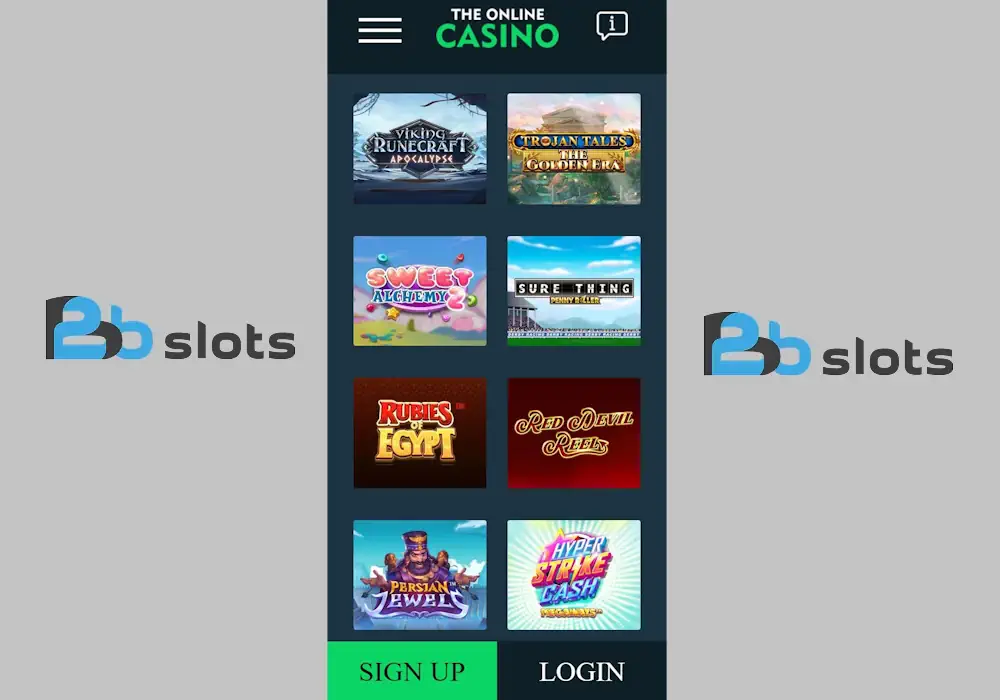
Top-20 slots accuracy beats “5,000 games” marketing every time.
Integrated iGaming Platform for Slots and Casino Games: Using a Gaming API Provider
I wired slots and casino games with a gaming API provider so my online casino platform could pull content fast. The best win came from caching RNG slot games provider calls and cutting load time. Cache API responses to drop page latency fast.
Brand/Platform Comparison Table: Casino Provider vs iGaming Software Provider vs Slot Game Supplier
I compare providers before signing because each role breaks differently under traffic. A casino provider bundles games; an iGaming software provider runs payments and player tools; slot game suppliers feed content. Match the vendor role to your biggest risk area.
FAQ
How do I choose the best casino software provider?
I pick providers that support payments, KYC/AML hooks, and player tools, then test under load. In my experience, staging failures reveal integration gaps fast.
What’s the real difference between casino software and a casino platform?
Casino software is the operational engine; the casino platform software wraps it into an end-to-end online casino platform. I’ve seen integration go smoother when the platform role matches your biggest risk.
When should I use turnkey or white-label casino software?
Turnkey helps when you want speed; white label helps when branding must move quickly. I wouldn’t recommend either if you need lots of bespoke workflows.
Why does the slot game catalogue matter?
Depth for your top titles beats “5,000 games” marketing. I evaluate catalogue quality by the top 20 slot provider titles that fit each jurisdiction.
Do I need a gaming API provider for integration?
If you want one integrated iGaming platform for slots and casino games, yes. Caching and idempotent wallet logic are the parts I’d never skip.