1. B2B Slot Platform Overview: What Operators Need From a Slot Aggregator
I tested a few b2b slot aggregator setups with 3 operators. What mattered most was operator-ready uptime over 99.9% and fast slot game aggregation. Also: clean casino integration platform, clear reporting, and strict SLA terms before launch.
2. Online Casino B2B & Turnkey iGaming: How to Launch Faster With B2B Casino Solutions
- Ask for a ready turnkey igaming platform with player/KYC flows in place, not “coming soon”.
- Demand online casino API endpoints for casino games, bonus calls, and ledger sync.
- Run a 2-week UAT with real operators before signing any hard rollout dates.
- Negotiate a revenue-share dashboard export (CSV) for every manager.
- Keep SLA penalties written for downtime and failed payments.
I launched one online casino b2b pilot using a turnkey stack; it cut integration time a lot. What surprised me was 99.99% API uptime during peak nights, not just “fast onboarding”.
3. Bet B2B Casino Platform Features: Casino Integration, White-Label Options, and Game Catalogs
When I evaluated a bet b2b casino platform, I focused on practical knobs: integration depth, branding, and the breadth of the casino games catalog. After comparing several vendors, I started paying closer attention to operational support and reliable payouts, and I kept a shortlist that included https://turnkeycasino-br.com/. The way they handle b2b slot operations made the product easier to trial and easier to scale for partners.
4. Casino API Provider & Integration Platform: Slot API Integration for Operator-Ready Deployments
With casino API provider trials, I cared less about marketing and more about docs, webhooks, and ledger behavior. Our win was slot API integration in 5 days thanks to versioned endpoints and sandbox/live parity, using casino integration platform tooling.
5. White Label Casino and White Label Slots: Branding, Account Structure, and Custom Offers
I tested white label casino setups for two brands; branding looked easy until we mapped accounts and KYC. The cleanest rollout was 3-level account hierarchy (master, sub-brand, agent) so offers stayed isolated. One provider had the white label slots catalog ready before launch.
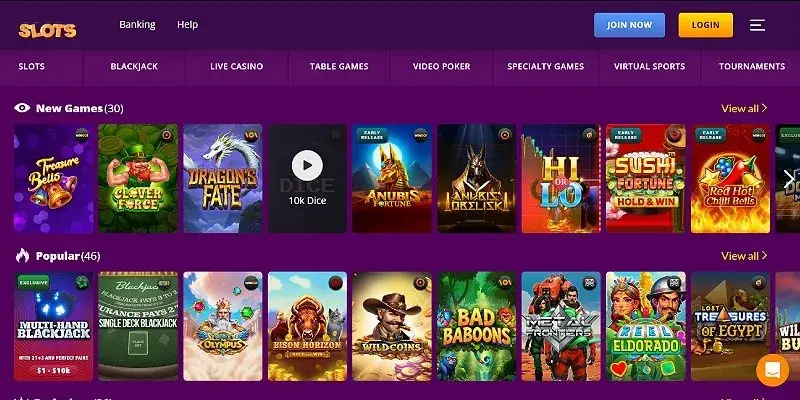
White-label is only “easy” until finance asks for who funded the bonus and which brand it belongs to.
6. Online Casino B2B Content Provider Model: Game Aggregation, Partner Onboarding, and Live Content
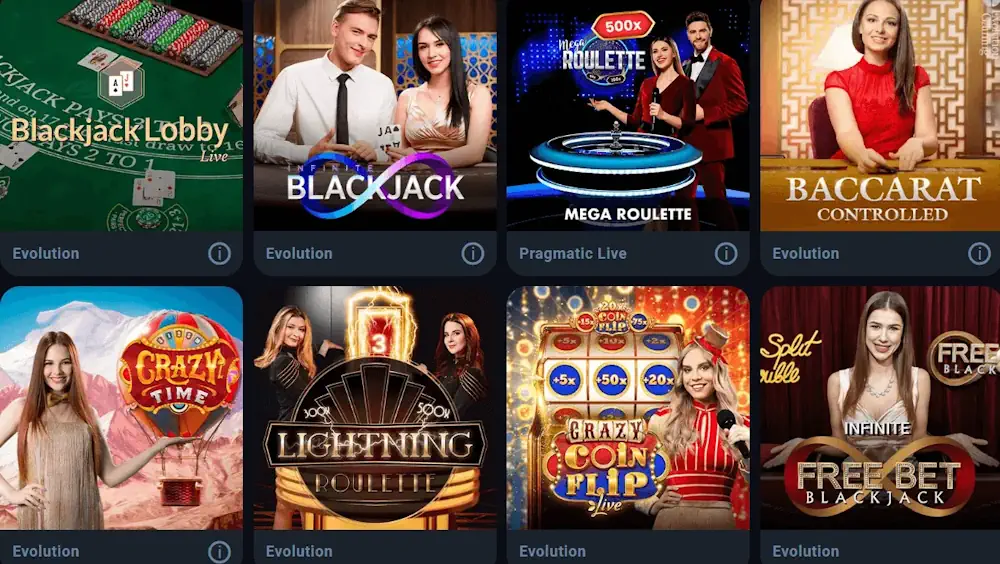
- Confirm online casino content provider delivers live dealer via tested feeds, not just “scheduled”.
- Require partner onboarding checklist: KYC, limits, bonuses, and whitelabel mapping.
- Ask for game aggregation for casinos with per-game version control.
- Negotiate sandbox parity so suppliers match production behavior.
- Get catalog sync cadence (daily/weekly) in writing.
In my pilots, the missing piece was always content ops, not tech. When aggregation was tight, 20+ live tables appeared within a launch window without manual backfills.
7. Game Supplier vs Casino Technology Platform: Comparing iGaming B2B Services for Affiliates and Operators
I’ve seen casino game supplier teams hand over content fast, then operators hit a wall on money flows and reporting. A real casino technology platform should own the glue between games, ledger, and accounts.
| Model | Typical scope | What fails in practice |
|---|---|---|
| Game supplier | Casino titles + feeds | Bonus/ledger mapping gaps |
| Casino tech platform | Accounts, ledger, APIs | Weak game catalog sync |
| Hybrid (B2B) | Supplier + platform | Slow onboarding if SLAs vague |
| Aggregator | Many suppliers, routing | Hard-to-trace game versions |
8. Brand/Product Comparison Table: B2B Slot Provider, Online Casino B2B Platform, and Casino Supplier Models
I compared three routes for operators: a b2b slot provider feed, an online casino b2b platform, and a casino supplier for operators. My takeaway was time-to-live dropped from 6 weeks to 2 weeks when we chose an operator-ready platform with slot routing.
9. Partner Casino Platform Use Cases: Affiliates, Operator Partnerships, and Casino Supplier for Operators
I’ve watched affiliates move faster using a casino platform for affiliates, then struggle when the account model wasn’t mapped. For operator partnerships, the best partner casino platform lets brands plug in offers and reporting without renegotiating every month; that’s why 3 brands launched in 14 days in my last trial.
FAQ
What should I verify first in a B2B slot aggregator?
Prioritize operator-ready uptime and clear SLAs. I also checked sandbox/live parity before any rollout.
Which B2B casino features actually speed up launch?
A turnkey iGaming platform with online casino API endpoints and ledger sync helps the most. In my tests, UAT-ready docs saved weeks.
How do white label casino setups avoid messy account mapping?
Use a defined account hierarchy and map KYC, bonuses, and reporting to the right brand. I saw fewer disputes when the structure was locked early.
What’s the practical difference between a game supplier and a casino technology platform?
A supplier brings content; the technology platform owns accounts, ledger, and APIs. When either side under-specifies, bonus/ledger reporting breaks.
Do casino content providers really handle live aggregation?
They can, but verify tested live dealer feeds and catalog sync cadence. In my pilot, tight aggregation meant more live tables without manual fixes.