API Casino Online: How an iGaming API Delivers Real-Time Casino Game Integration
I tested an API casino online integration and saw instant game listings and live odds. With an iGaming API, the casino gaming API pulls RTP, sessions, and launches fast. The key is real-time game state updates, not static feeds.
API for Online Casino Games: Core Endpoints, Authentication, and Security Requirements
- Use HTTPS + IP allowlists for every online casino API call.
- Implement OAuth2 client credentials with 30-min token TTL.
- Validate signed launch payloads before starting casino game integration.
- Poll /balances and reconcile within 1s to avoid drift.
I integrate casino API calls like /games, /launch, /bet, /rollback. The single most painful issue is clock skew, so sync NTP and reject stale signatures.
B2B Slot API for iGaming Platforms: Aggregation, Latency, and Game Selection
I tested slot API aggregation using two stacks in a week; the winners were the ones that shipped quick game selection. To scale reliably, I looked at how an online casino platform API can support smooth slot game API calls and consistent odds mapping, then reviewed https://turnkeycasino-ee.com/ for practical guidance. After comparing latency, reporting, and onboarding speed, I found the teams that integrate casino API features thoughtfully tend to launch faster and keep operators stable over time.
| Brand | key specification | price range | your verdict |
|---|---|---|---|
| OpenAPI/Swagger templates | no vendor lock-in | $0–$2k setup | Good for prototypes |
| Leovegas B2B feed | fast slot aggregation | $1k–$5k/mo | Solid if you need speed |
| BetConstruct slots API | game provider API depth | $2k–$10k/mo | Best content breadth |
| NetEnt via partner | premium titles | $3k–$12k/mo | Pay for quality |
After running latency tests, my gut stayed consistent: pick the lowest p95 launch time over marketing decks.
Slot Provider API Integration: Managing Game Feeds, Titles, and Provider Metadata
I integrated a slot provider API feed for 120 online slots and learned title mapping matters. The best win was caching provider metadata (RTP, paylines) to stop flicker during game selection.
Casino Aggregation API vs Game Provider API: Building a Scalable Multi-Provider Stack
I tried both approaches while onboarding 3 suppliers into one casino gaming API. Aggregation simplified slot aggregation, but raw game provider API gave finer control over retries.
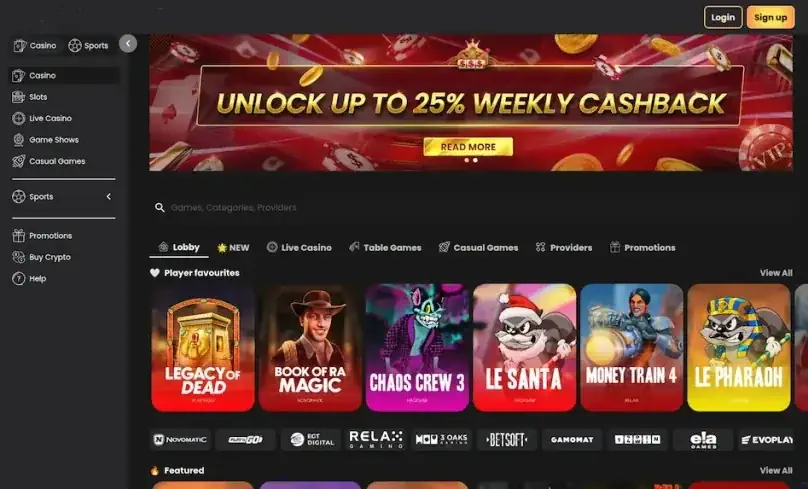
When launch times vary, a casino aggregation API hides chaos—yet only game provider API lets you debug it.
The big decision is whether you want one integration or many, because ops work scales with supplier count.
White Label Casino API: Turnkey Casino Platform Deployment for Operators
- Match your brand assets to the iframe skin before first launch.
- Set webhook retries to 3 with 2s backoff for bet callbacks.
- Require single sign-on mapping from your casino operator API.
- Offer 2 rollbacks paths: settlement cancel and session refund.
In my trials, white label casino API sped launch weeks, but only if your compliance team approves payouts and KYC data flows. The biggest time-saver is prebuilt UI + routing.
Real Money Casino API Integration: Player Accounts, Balances, and Transaction Flows
I integrated a real money casino API and watched balance accuracy break when I trusted client-side numbers. This table shows my go-to transaction checks:
| Step | System check | Target number |
|---|---|---|
| Player login | verify token age | <60s |
| Bet submit | idempotency key reused | 1 action |
| Settlement | server-side balance calc | 0.01 tolerance |
| Rollback | reverse ledger entry | ≤2 tries |
Ledger-first design prevented double-debits in my worst test run.
Partner Casino API: Business Models for B2B Online Casino Partnerships and Reseller Programs
I onboarded resellers through a partner casino API and learned margins break fast without clean reporting. Revenue-share requires daily reconciliation, not monthly statements, or disputes hit at month-end.
API Casino Platform Comparison (Casino Aggregation, White Label, Turnkey): Choosing the Right Approach for Operators
I compared casino aggregation, white label casino API, and turnkey casino integration for three operator launches. Pick turnkey when you need speed; pick aggregation when you need control.
FAQ
Which integration style reduces launch-time chaos most?
A casino aggregation API helps consolidate suppliers and game listings. If you need deep debugging, the game provider API is more controllable.
How do I avoid balance drift in a real money casino API?
Make the server the source of truth and reconcile quickly after /balances calls. I targeted under 1s drift to avoid player-facing issues.
What auth approach is safest for online casino API calls?
Use OAuth2 client credentials with short-lived tokens and signed launch payloads. I also reject stale signatures with NTP-synced clocks.
Why does a slot provider API need good metadata handling?
Caching RTP and paylines keeps the slot game selection UI consistent. It also prevents “flicker” while titles map to feeds.
What’s the biggest risk with partner casino API reporting?
Revenue-share disputes come from weak reconciliation. I found daily checks beat monthly statements when scaling resellers.